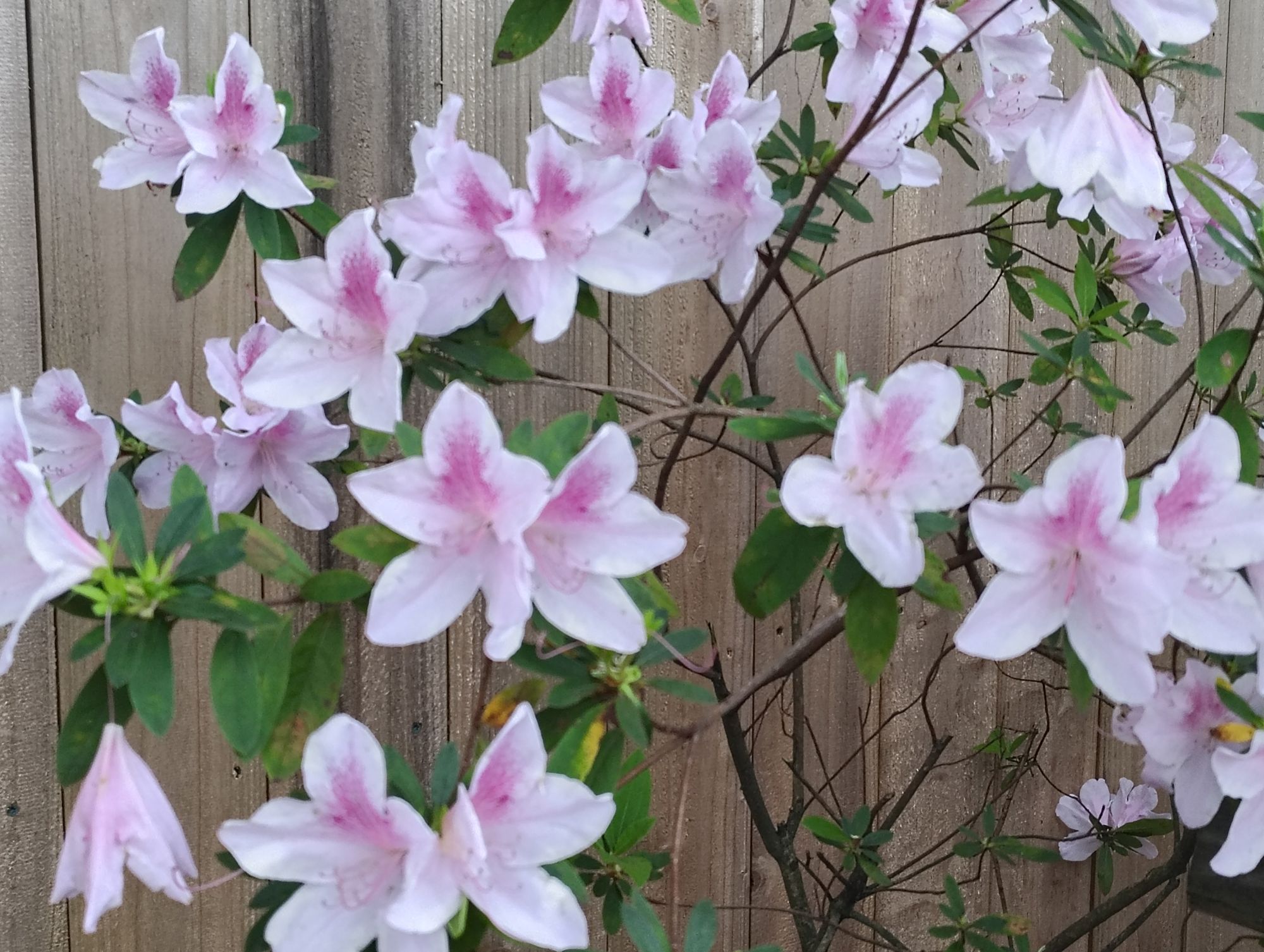
Despite what we are doing, despite what is going on anywhere in the world, the seasons will change. Nature does not stop, it may get interrupted but it continues on even if it has to start over. In other words, wind, hail, tornado, earthquake, flood, fire, etc. the changing seasons will continue on.
An image that I cannot get out of my mind is when Covid first hit, so unknown to us and much of our world went on pause. The animals that normally stayed away from cities started slowly coming into towns and cities. Nature was trying to come back because people were quiet and traffic was almost stilled.
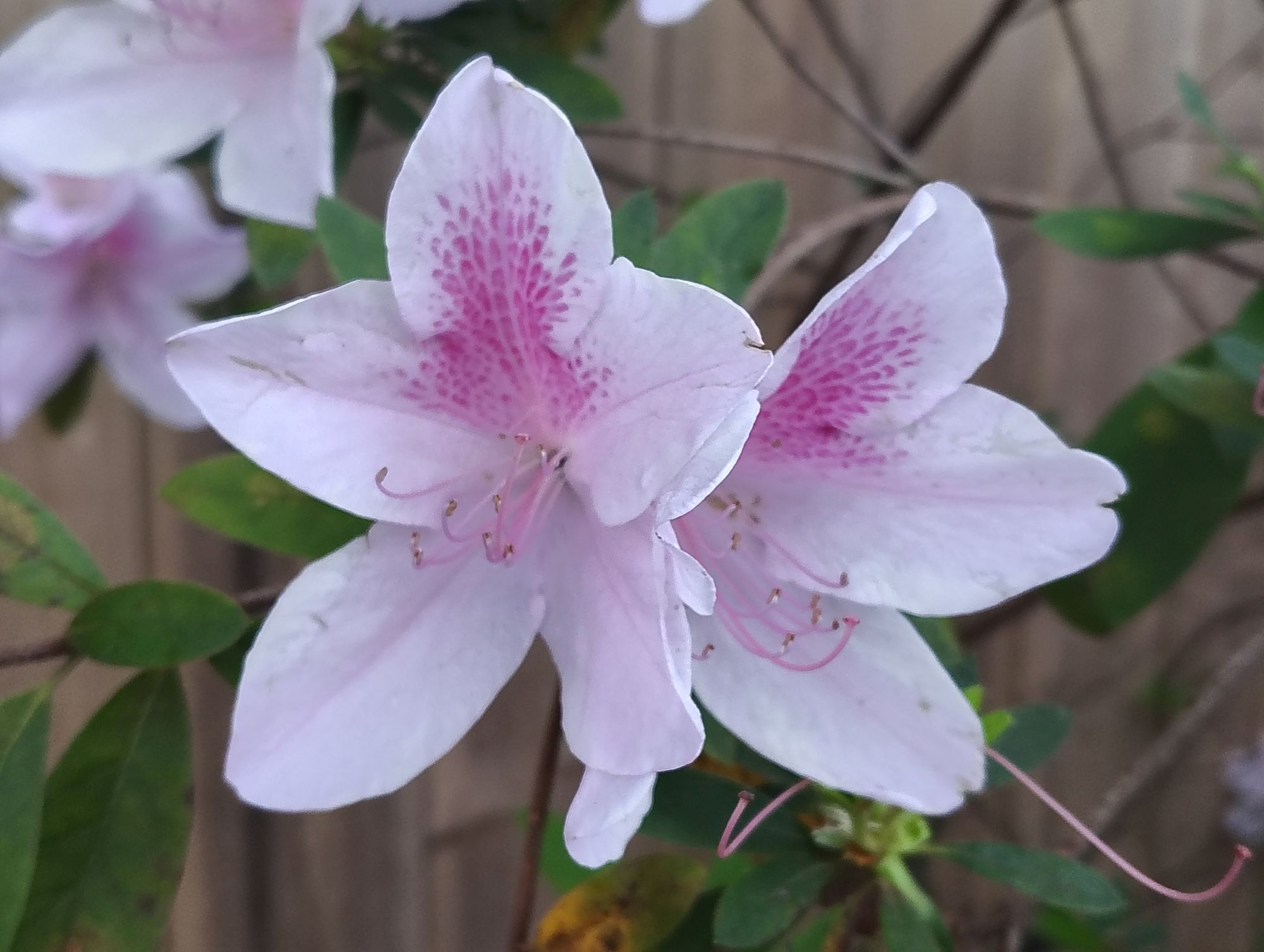
When I was a child I can remember sounds that I no longer hear. Especially the sounds from when I went to my grandmothers house. The evening sounds, the smells. It is difficult to put into words what it was like long ago before the technology that we have today.
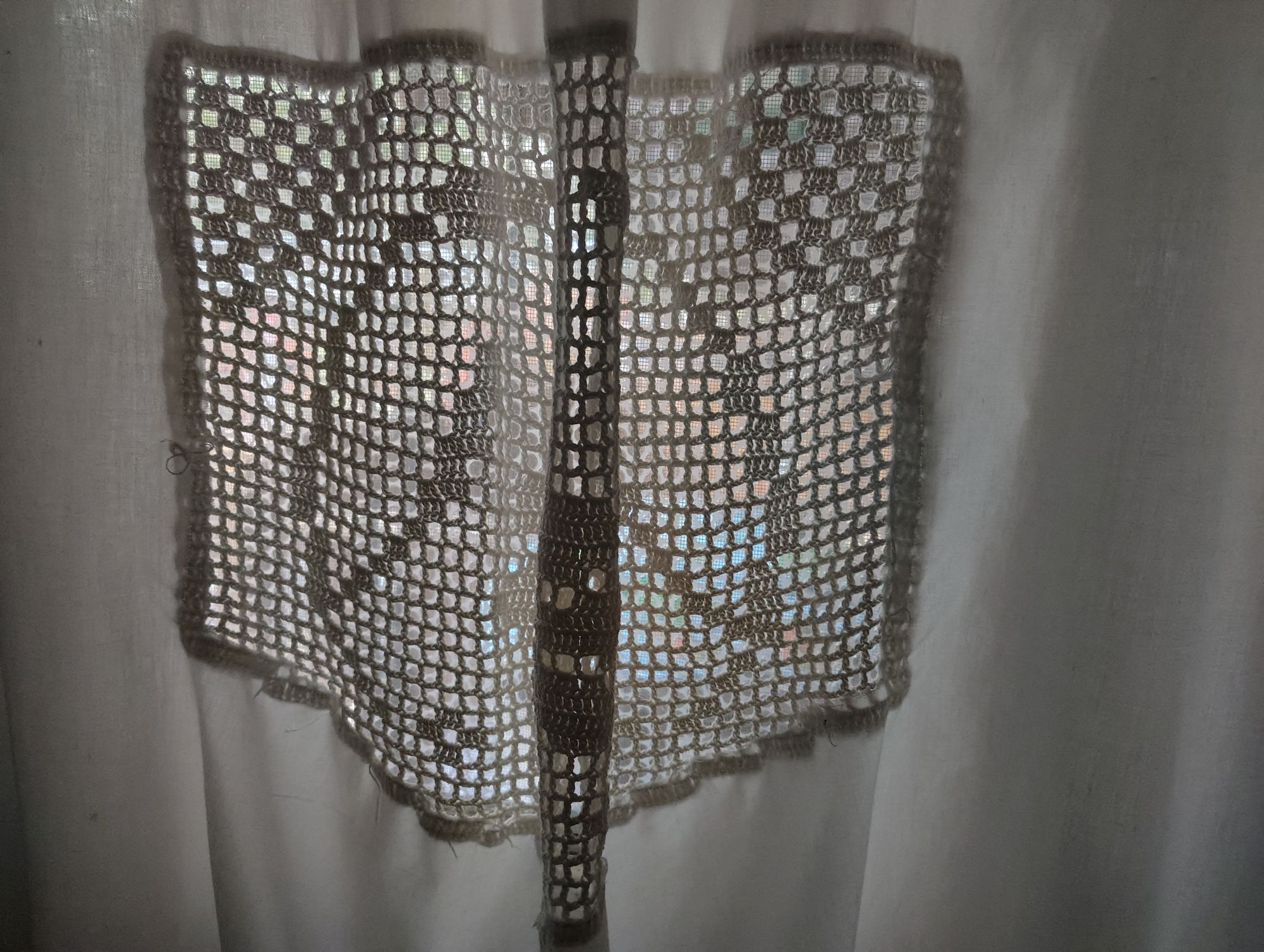
I went out the back door early this morning to see what had changed overnight.
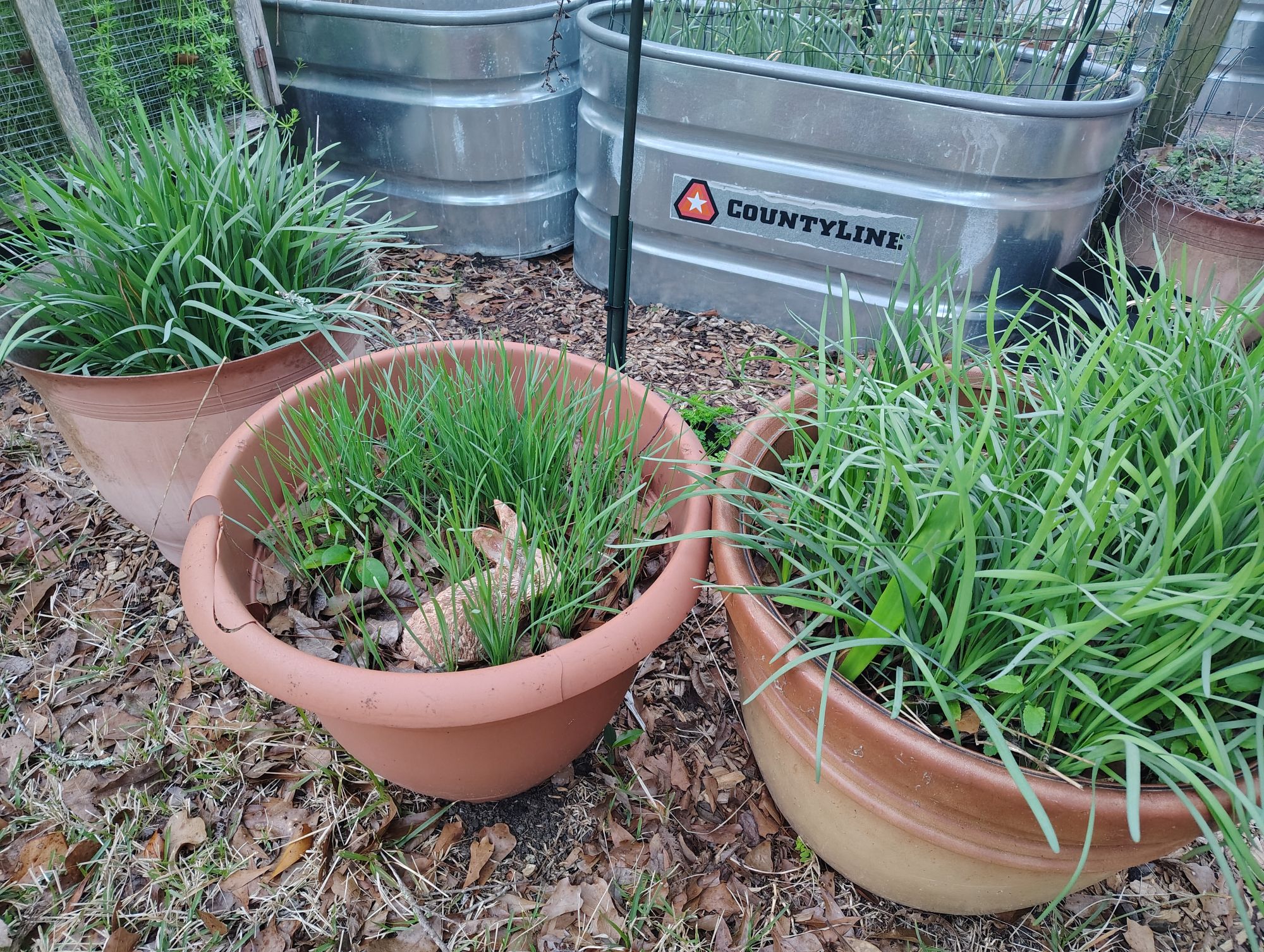
While we rest, everything that has life keeps growing, even when it is resting the roots are changing.
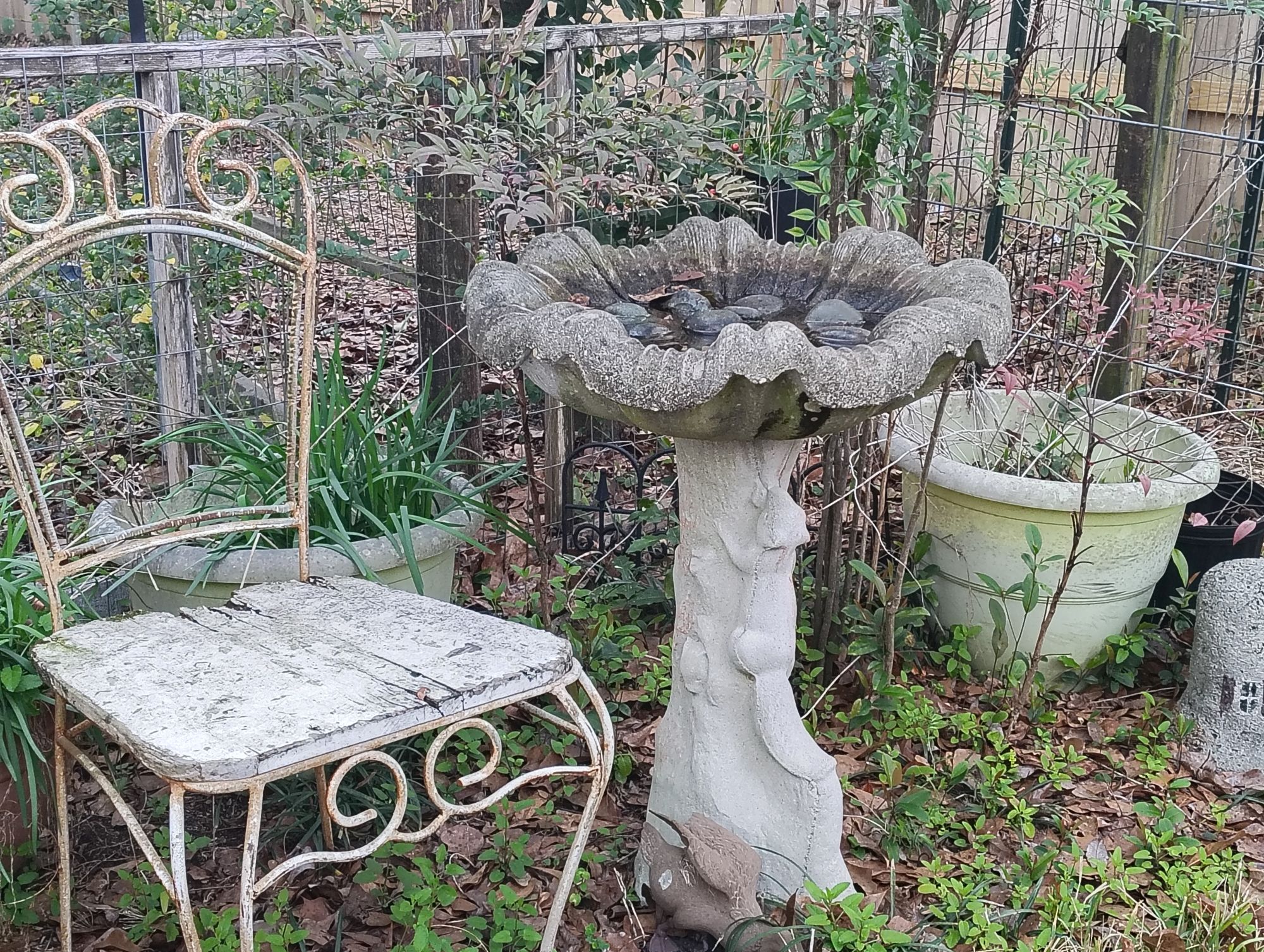
We left the leaves this year as a light blanket for the cold winter days and nights.
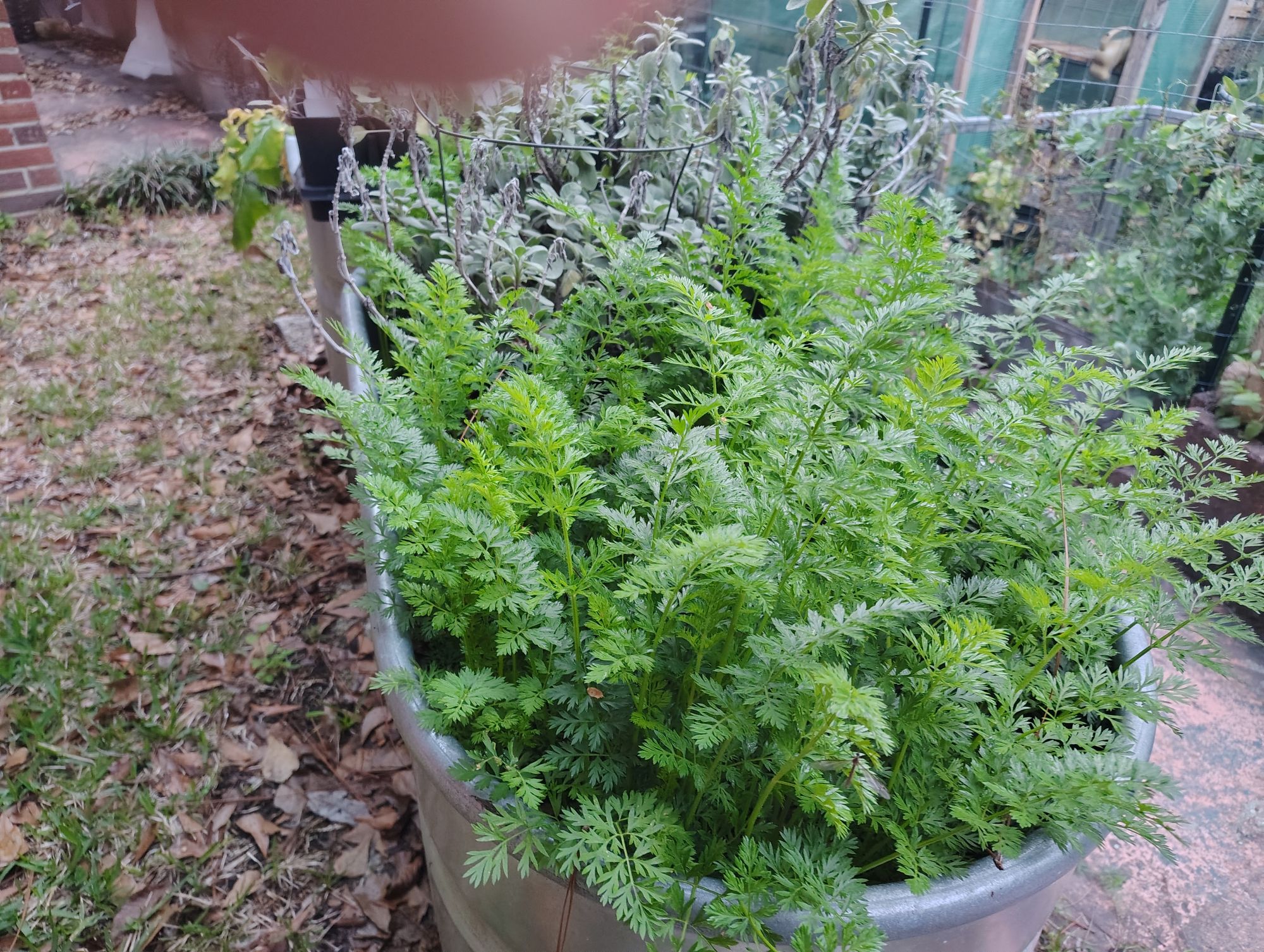
 Back inside there is work to be done. Each day requires us to participate or otherwise the home will become stagnant and our stomach would be empty.
I have been working to find a bread that I can eat without stomach issues. I have learned a lot about what might be wrong that is causing me to have digestive issues when eating gluten. It seems there are many factors....
For me at least, the type of wheat, where it was grown, how it was grown and how and where was the grain milled. Then there is what do I do with the milled flour or what did they do with the milled flour?
.jpg)
I am also finding ways to get around sugar.
I am not here to give you all the answers, I do not even have all the answers, but I want to suggest a deeper research. Each of us have different needs, and there is information out there but many times the answers are not a simple find.
Once again, it often goes back to history.
The further we get away from the time that people had to rely on less than we have today, the more we find the answer to less is more.
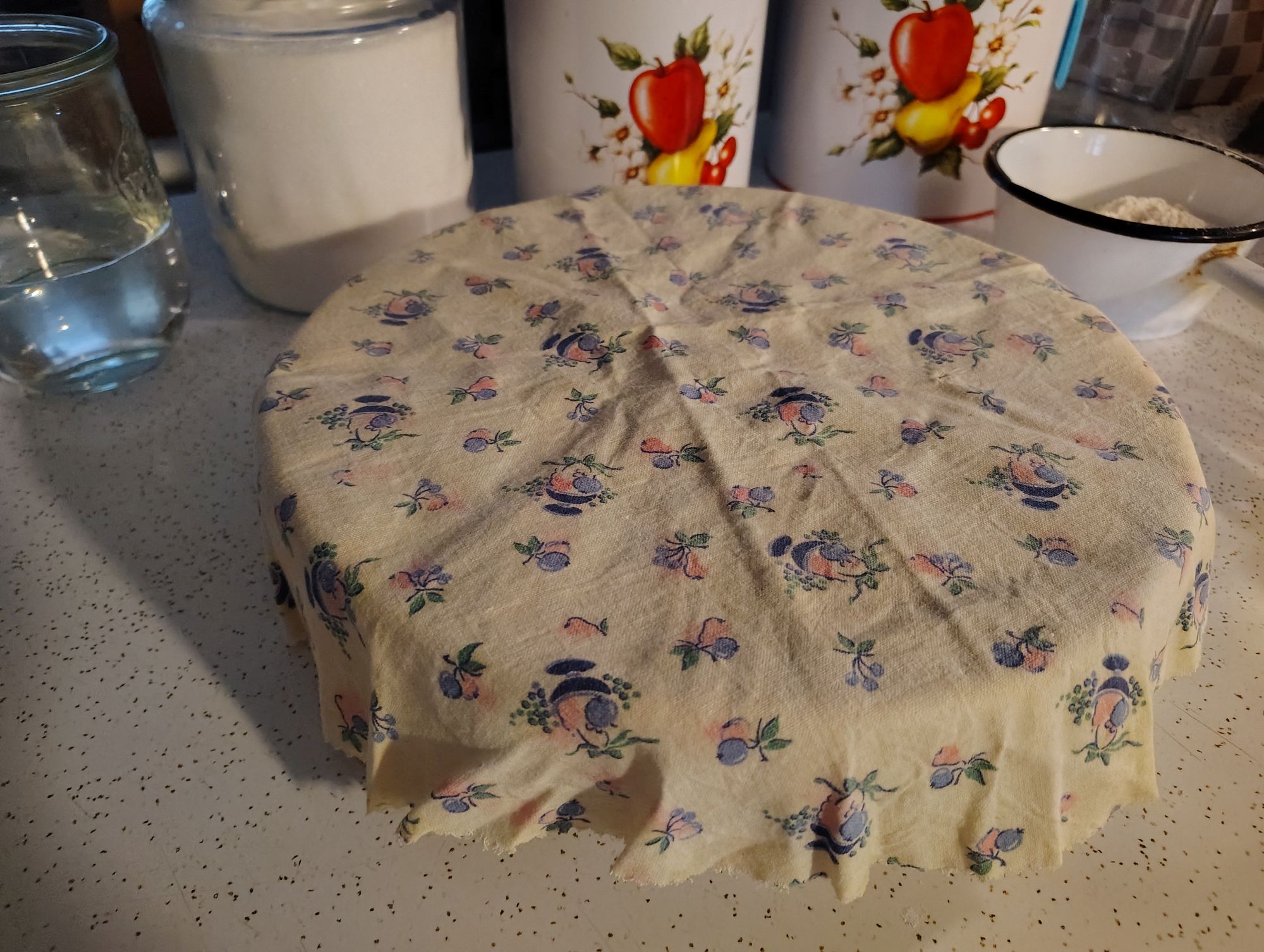
As far as me eating bread again, I must go back to making the bread the old way. Not the new old way, the play on words such as ancient grains or just eat sourdough bread.
"Time" is needed to pre-ferment, I am not talking about sourdough, sourdough is a good thing too but I am talking about the fact that people want instant or quick today. Many will say that I do not have the time, but the answer to that may be a scheduling or priority problem. We lose quality when we make things fast or pay more for prepared.
When making bread dough there are many things to learn about, such as a "poolish" and a "biga". Then there is sourdough which is different than the poolish and the biga.
What is the protein percentage of the flour? You may think the higher the protein the better, but that may not be the case.
I think often about the 1932 diary that I have of Sarah and where she often writes about making her sponge for her Saturday baking. Her evening chores often include her sponge so she will be ready for baking the next day.
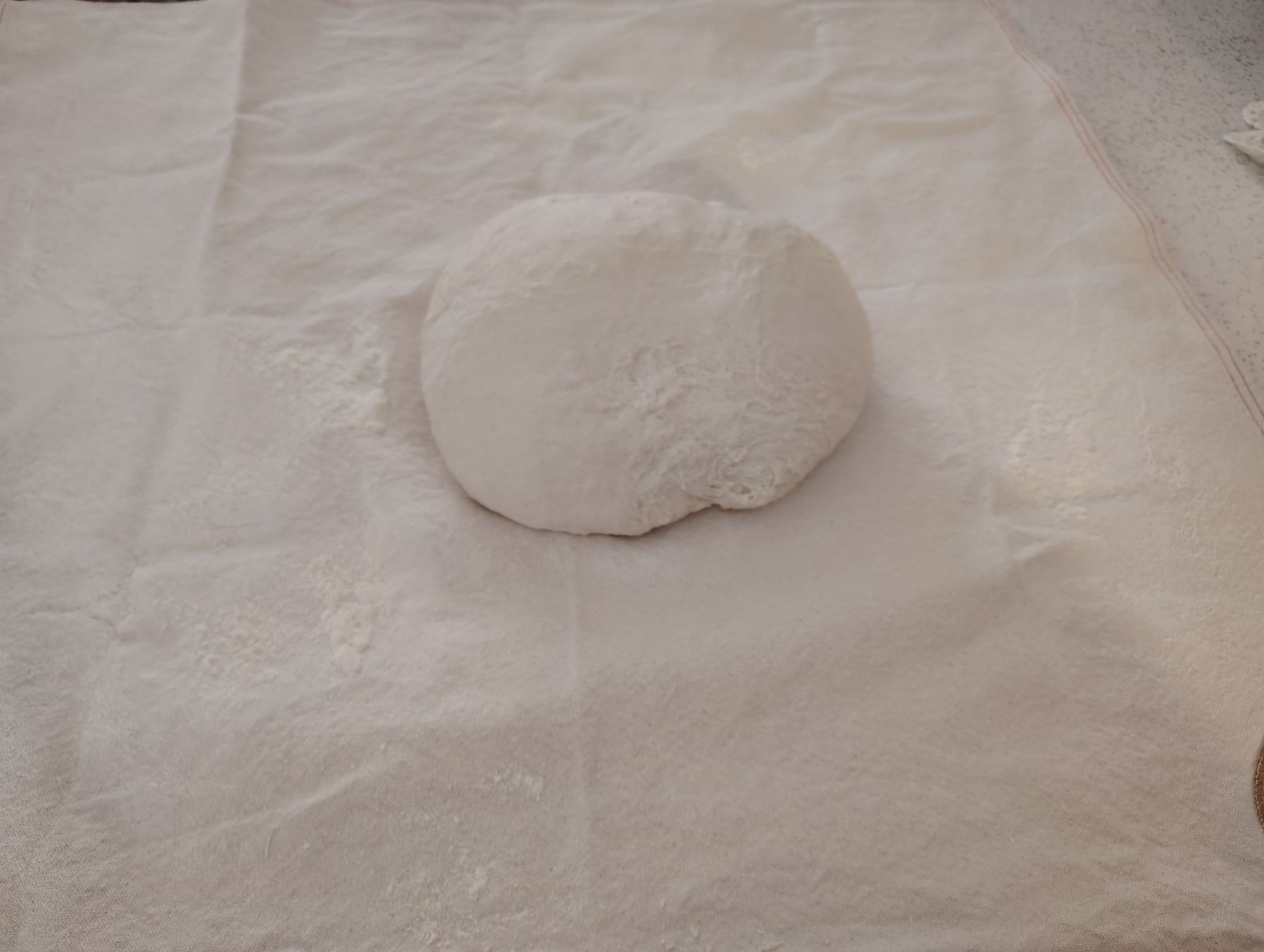
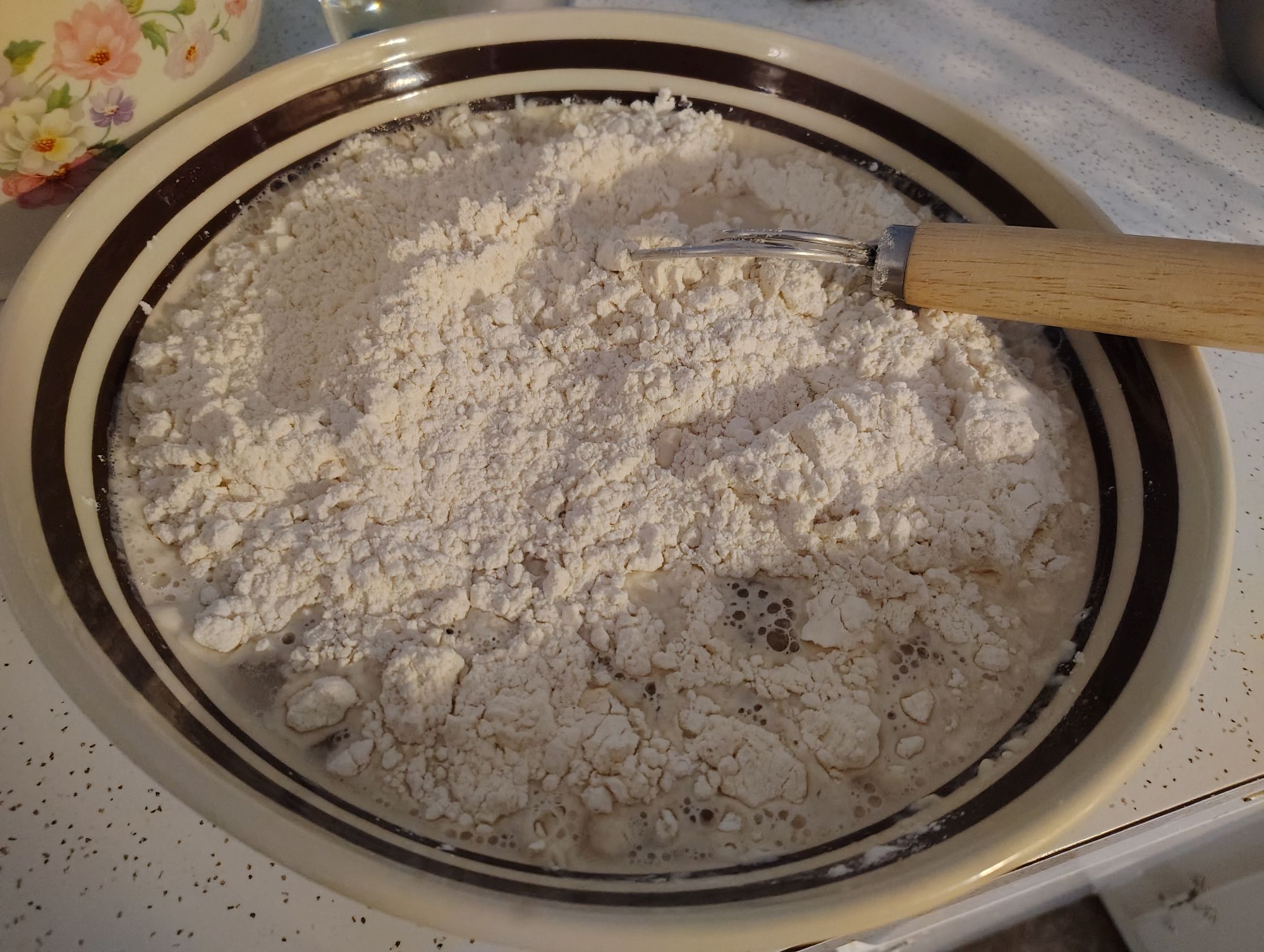 Here above I am making a biga.
It is not all about the sponge, or the poolish, or biga or sourdough. The quality of the flour and giving the dough a long time to rest and develop.
Here is where I am in my research of digestible food.
I also often refer to a very old household handwritten journal that I have and that journal was a family household budget journal. I can see what they purchased from the mid 1880's through to the late 1930s. They purchased very simple food, and they gardened. They lived in a city but during the first part of their journal, even though they were in a town/city, they had a horse and buggy, a horse to feed and tend to. They had chickens and I do not know the size of their garden. They lived in the north east part of the United States. Their city grew, times changed and they started paying for travel. Their daughter was growing and they purchased items for her. Sometimes candy or ice cream. The husband spent money on hair cuts, shave and shoe shine. As time went by they started new entries such as transportation expense. Their groceries increased but still were very different than we shop today for they did not have the many choices we have today.
They also purchased food that was available in their area.
Today, here in the United States, we eat food from around the world, we may eat many varieties of food dishes from many countries around the world. All we have to do is get in our car and drive and we will see Asian restaurants, Mexican, German, Italian, India, and Greek, restaurants. We are a melting pot because if we are not native American's, then each of us will find that our generations before us came to this country from another country and brought their recipes and sometimes their food, plants and seeds with them.
This led me to researching my ancestors and genealogy to find recipes that my family would have eaten.
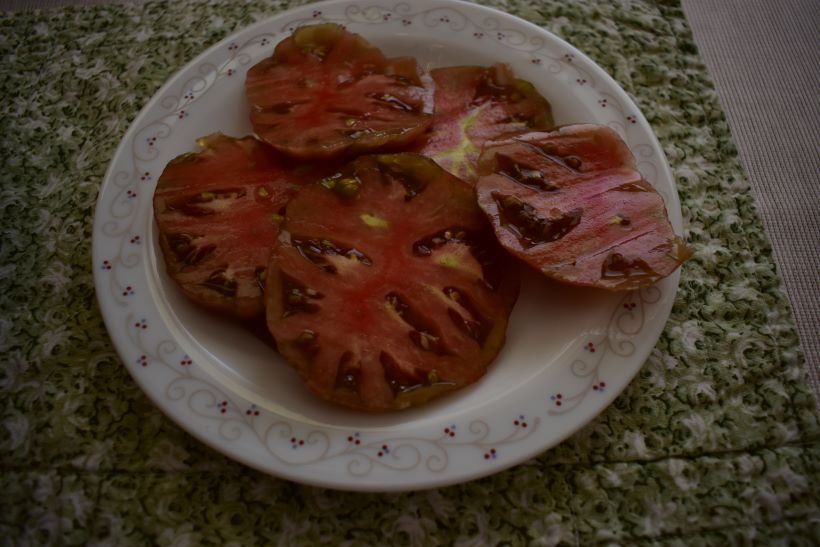
Cherokee purple tomato we grow each year
But this led me to more research about gardening and learning about the food that grows here where I live. The reason for this is that when I researched eating the food that my ancestors ate, I could not cook them to be the same as they would have had because I could not buy the same ingredients to make those meals.
We have international food but it is more expensive and simply some things are not there. Our cream is different, we cannot purchase clotted cream here. I did learn to make it, but it still is not exactly the same because our cream is not the same as the cream in the UK. We can get close but not the same because of many factors, the type of cows, the land that they are raised and graze. The process of how they collect and sell their cream.
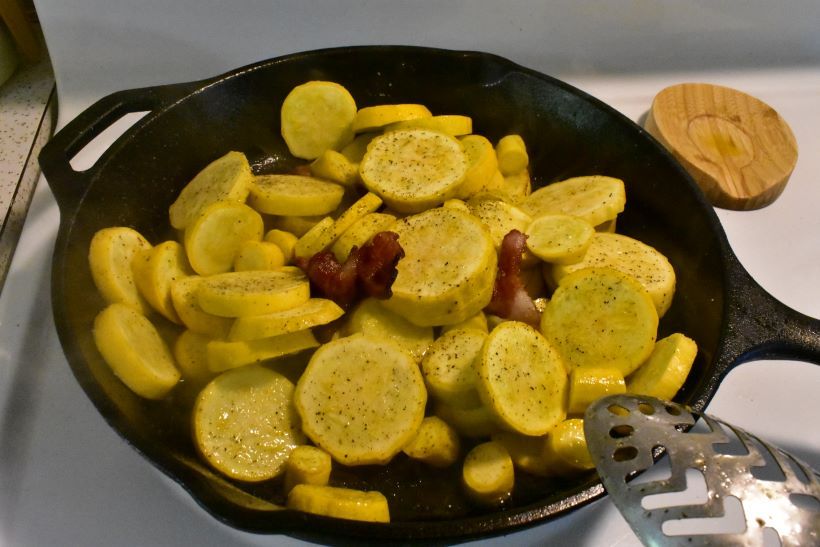
This led me to researching the food that grows in our area and the realization of why my grandmother cooked the food that she cooked. She cooked the food that was grown and available in her area. She most always had a vegetable soup, sometimes with beef. She often made cornbread and she most always had green beans, squash, corn and okra when it was summertime, and breakfast was bacon or ham, eggs and biscuits. She cooked simple southern food, she lived in Mississippi. My other grandmother cooked simple northeastern food grown and available in her area. She made meat pies, Pate chinois. I cannot tell you other food that she cooked because we only traveled there a few times to visit her and she flew down to us a few times. She had a very strong French Canadian accent. She was born in Canada and lived upstate New York from starting in 1904.
I romanticize the food my ancestors would have eaten in Europe but I was transplanted to the southern U.S. I often feel that I was planted in the wrong garden. Grow as I might, I must settle with the soil, heat and humidity that is here.
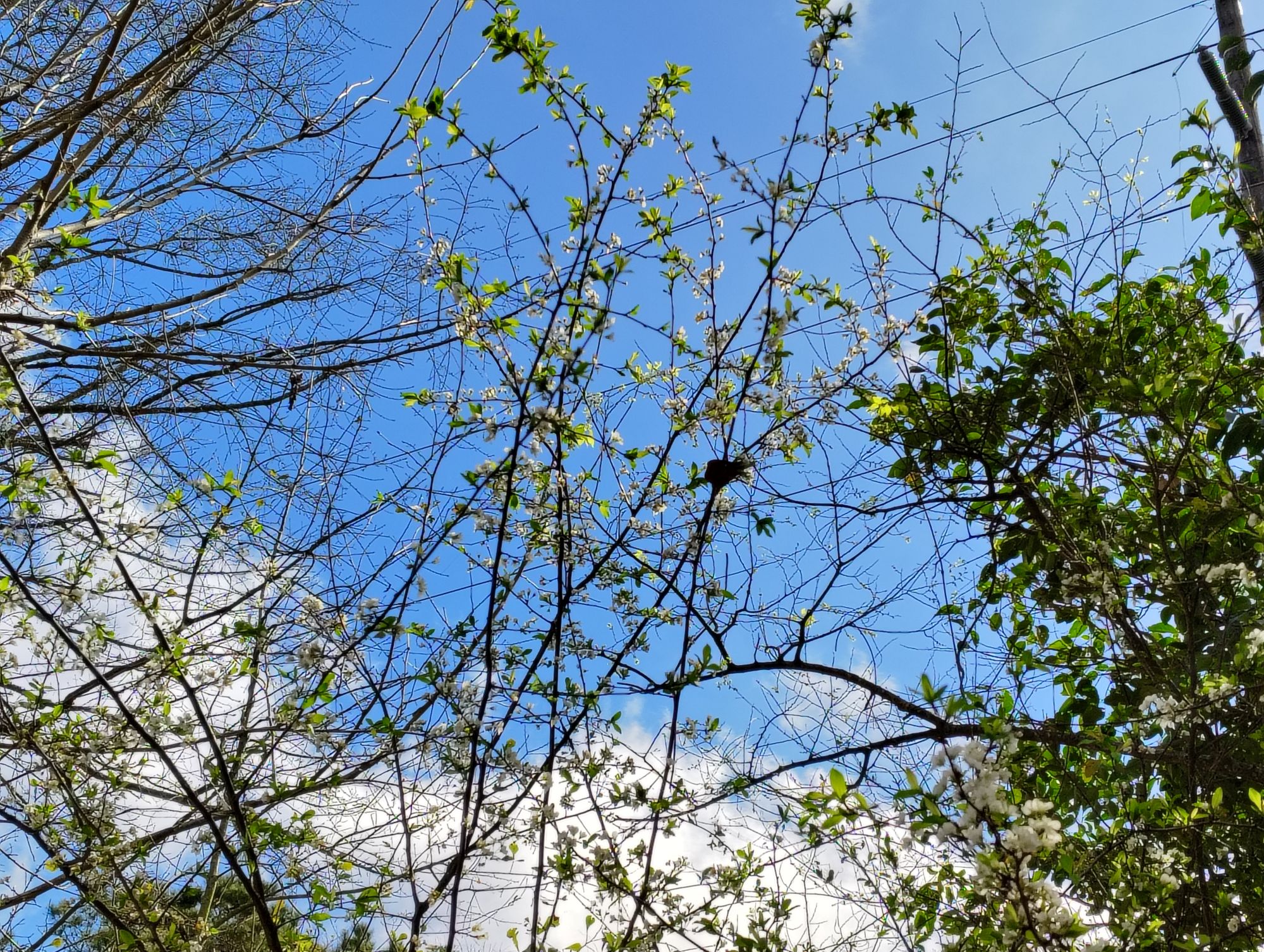
Plum tree blooming
The meals I make will be chicken and dumplings, any vegetable that is in season, vegetable soup or chicken or beef vegetable soup with cornbread. And I still must make the meat pasties that I have learned to make because even though they are mostly a northern food item, we grow potatoes, rutabaga and raise cows so I have all of the ingredients here.
Fruit pies because we have pear, peach, apple, plum, mulberry, fig and blueberry trees and bushes in our yard that we have planted throughout the years.
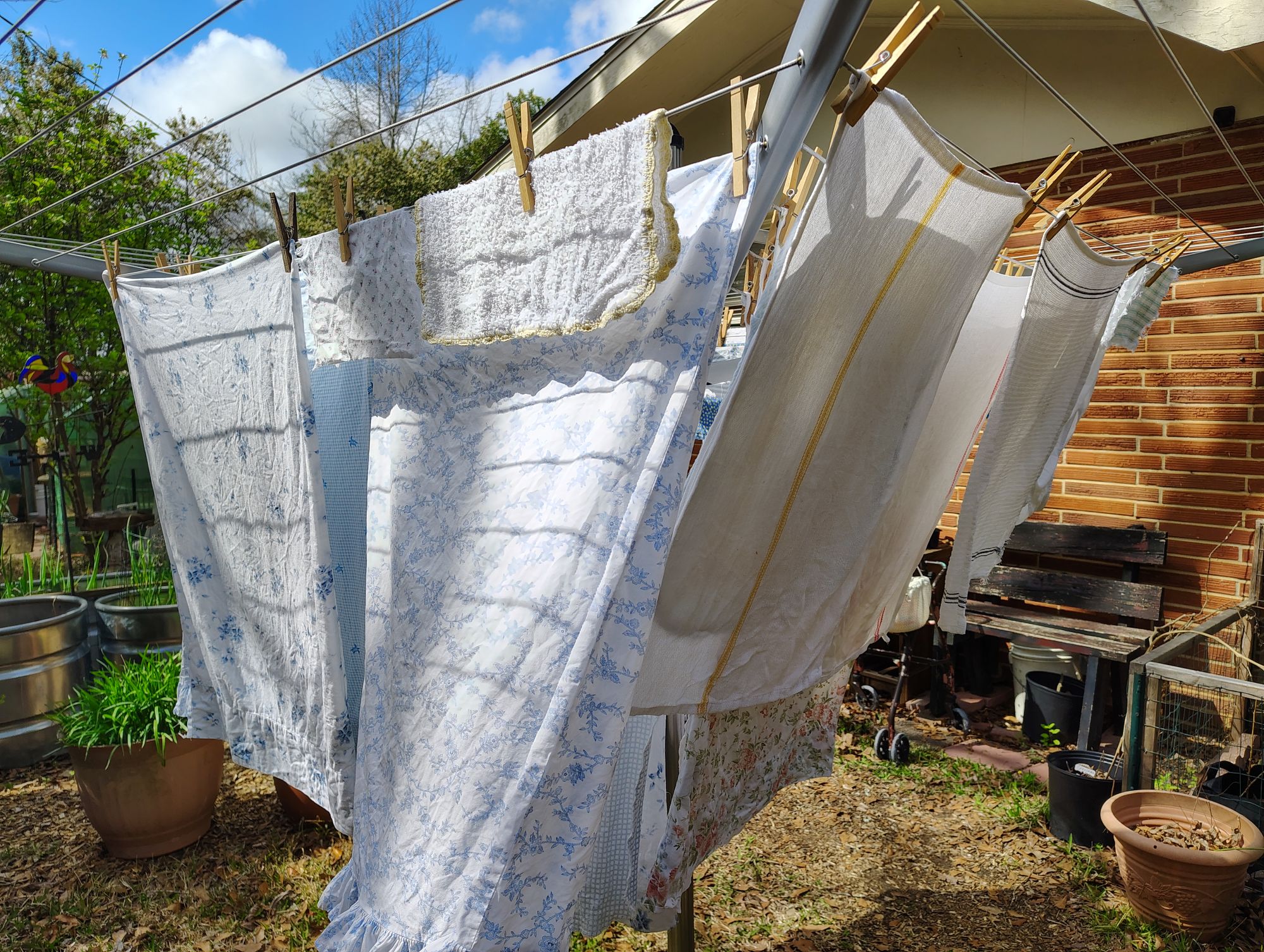
As far as the 1942 study goes, our life here in this city that we live is very similar to 1942 here in our home. Not outside our driveway but here in our home. Our washing machine looks different and we do have a clothes dryer but we only use it for emergencies of sickness or extreme weather. Otherwise I hang out our laundry on the outside line or the inside lines and racks. We are using as little modern items that we can, trying to be more like 1942.
It is quite calming in our home to live like this, we cannot do anything about the traffic and noise outside of our home. We never have a television running for we do not have one anymore. We do listen to 1940s music on our radio occasionally. We read the daily 1942 paper for our city, which was a lot smaller back then.
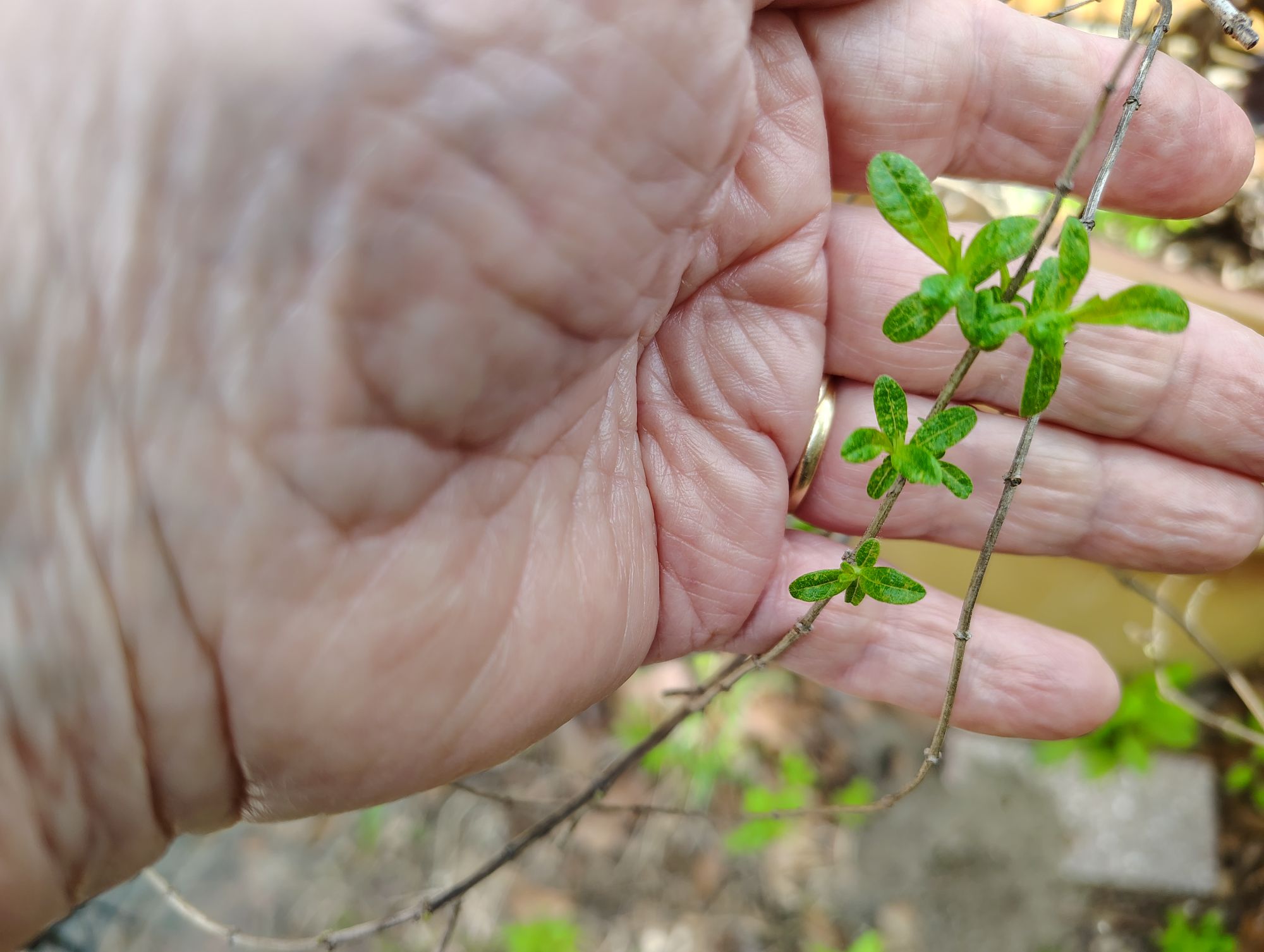
The lemon verbena continues to leaf out. I have missed it while it was taking its winter nap.
Here in the first part of March 1942, the United States was still not mandatory but voluntary rationing food was encouraged. Meat, sugar and coffee will be rationed this year of 1942 along with other goods. Tires and some metal items are already rationed.
We do have war concerns in this real time of 2026, not as heavy as they were in 1942, but it has my attention on our pantry, home canning and the importance of this years garden.
There is so much to learn when we take a history approach and look back in time of how things were done. It always helps to go back to basics to get a different perspective.
These first three months of the 1942 has given us time to organize our home, to work out similar routines that they had in 1942.
I want to mention again a website called Vintage Dancer that shows the wardrobe information of the year 1942. How many clothing items they normally had for male and female.
There is a lot of clothing advertising on the page so you have to scroll down at least half way to get to the list of items a woman or man would have had during the 1940s. It is very interesting the list of how many items they had of each clothing.
I hope to see you in the forum to find out if you have made any changes in your home for the study. Or you can bring up a topic and we can talk about most anything except Politics.
https://vintagedancer.com/1940s/1940s-capsule-wardrobe-what-clothing-cost/
Grandma Donna


